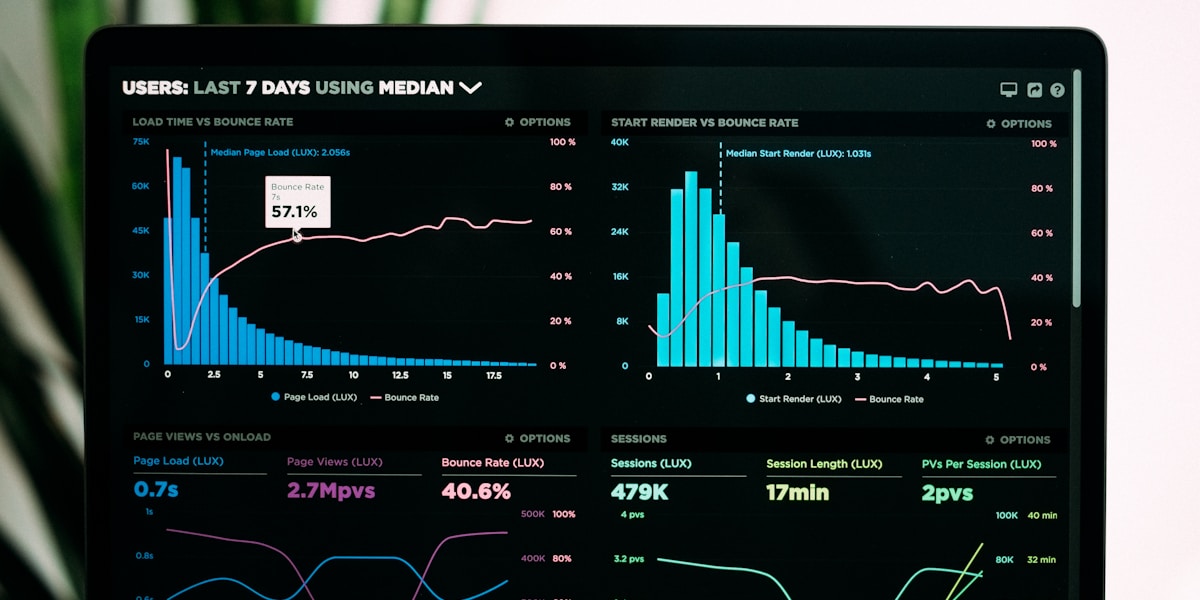
You've implemented AI agents. They're running, tasks are getting done. But how do you know if they're truly delivering value? Measuring AI agent performance requires moving beyond simple activity metrics to understand real business impact.
The Measurement Framework
Effective AI metrics fall into four categories:
- Efficiency: How much time and resources are saved
- Quality: How well tasks are performed
- Business Impact: Revenue, client satisfaction, growth
- Operational: System health and reliability
Essential KPIs by Category
Efficiency Metrics
Track the productivity gains:
- Tasks Automated: Number and type of tasks handled by AI
- Time Saved: Hours freed from automated processes
- Processing Speed: Time to complete vs. manual baseline
- Volume Capacity: Tasks handled per period
- Cost Per Task: AI cost vs. manual labor cost
Quality Metrics
Ensure AI maintains your standards:
- Accuracy Rate: Percentage of correct outputs
- Error Rate: Frequency of mistakes requiring correction
- Human Override Rate: How often staff must intervene
- Consistency Score: Variation in output quality
- Completion Rate: Tasks finished without human help
Business Impact Metrics
Connect AI to business outcomes:
- Revenue Influence: Deals or work enabled by AI
- Client Satisfaction: NPS or CSAT changes
- Response Time: Speed of client interactions
- Lead Conversion: Impact on sales funnel
- Client Retention: Relationship to churn rates
Operational Metrics
Monitor system health:
- Uptime: Agent availability percentage
- Response Time: Speed of AI responses
- Error Logs: System failures or exceptions
- Usage Patterns: Peak times and volumes
- API Performance: Integration reliability
Calculating ROI
The fundamental ROI formula:
ROI = ((Benefits - Costs) / Costs) x 100Quantifying Benefits
Sum these value sources:
- Labor Savings: Hours saved x hourly rate
- Capacity Gains: Additional work handled x revenue
- Error Reduction: Cost of errors avoided
- Speed Premium: Value of faster delivery
- Opportunity Value: Business won due to AI capabilities
Accounting for Costs
Include all expenses:
- Initial development and setup
- Ongoing platform/subscription fees
- Integration and maintenance
- Training and change management
- Staff time for oversight
Building a Measurement Dashboard
Create visibility into AI performance:
- Real-Time View: Current agent status and activity
- Daily Summary: Tasks completed, issues flagged
- Weekly Trends: Volume, quality, efficiency patterns
- Monthly Analysis: ROI calculation and insights
- Quarterly Review: Strategic assessment and optimization
Common Measurement Mistakes
- Vanity Metrics: Measuring activity instead of outcomes
- Ignoring Quality: Celebrating volume while quality suffers
- Short-Term Focus: Missing long-term value accumulation
- Incomplete Costs: Understating true implementation investment
- Static Baselines: Not updating comparison benchmarks
Continuous Improvement Process
- Establish Baselines: Document pre-AI performance
- Set Targets: Define success criteria
- Monitor Consistently: Track metrics regularly
- Analyze Gaps: Identify underperformance
- Optimize Iteratively: Improve based on data
- Report Results: Share successes and learnings
Need help measuring your AI agent performance? Let's build your measurement framework.